✨Featured Posts✨
Next.js 16 — Deep dive: What changed, why it matters, and how to upgrade
Next.js 16 makes Turbopack the default bundler (much faster dev refresh & builds), introduces a consolidated/explicit caching surface (new cache primitives + revalidateTag() / updateTag() patterns), improves routing with layout deduplication and incremental prefetching, stabilizes React Compiler integrations (automatic memoization), and adds build-adapter hooks for custom build behavior. These changes are focused on making big apps faster and easier to reason about while giving maintainers finer control of caching and build behavior.
Mastering Next.js 15: Building Scalable Full-Stack Apps
Next.js 15 brings powerful server actions, improved caching, and edge runtime support. In this blog, I’ll walk you through how to build a scalable full-stack app with Prisma, PostgreSQL, and Next.js API routes — all optimized for performance.
Building AI-Powered SaaS with Next.js and OpenAI API
Integrating AI into SaaS platforms has never been easier. In this blog, I demonstrate how to use the OpenAI API with Next.js to create smart, scalable, and secure AI-powered web applications.

Optimizing React Performance in Large Applications
React performance can degrade in large-scale applications if not optimized. In this guide, I’ll share real-world techniques such as memoization, lazy loading, and splitting contexts to improve rendering speed.
Deploying Full-Stack Apps: Vercel vs Render
When it comes to deployment, developers often wonder which platform to choose. This article compares Vercel and Render for deploying full-stack apps built with Next.js and Node.js, covering performance, CI/CD, and cost.
Next.js, Tailwind CSS, and shadcn/ui — The Perfect Trio for Modern Frontend
Building modern web apps is easier than ever with Next.js, Tailwind CSS, and shadcn/ui. Next.js gives you speed, SEO, and flexibility with server-side rendering and routing. Tailwind CSS brings utility-first styling — making your design responsive, clean, and fast to build. shadcn/ui adds beautiful, accessible, and customizable components that fit right into your Tailwind workflow. Together, they create a powerful stack for developers who want performance, elegance, and productivity — all in one setup. Whether it’s a portfolio, dashboard, or SaaS project, this combo makes your frontend development smooth and professional.
✨Projects Showcase✨
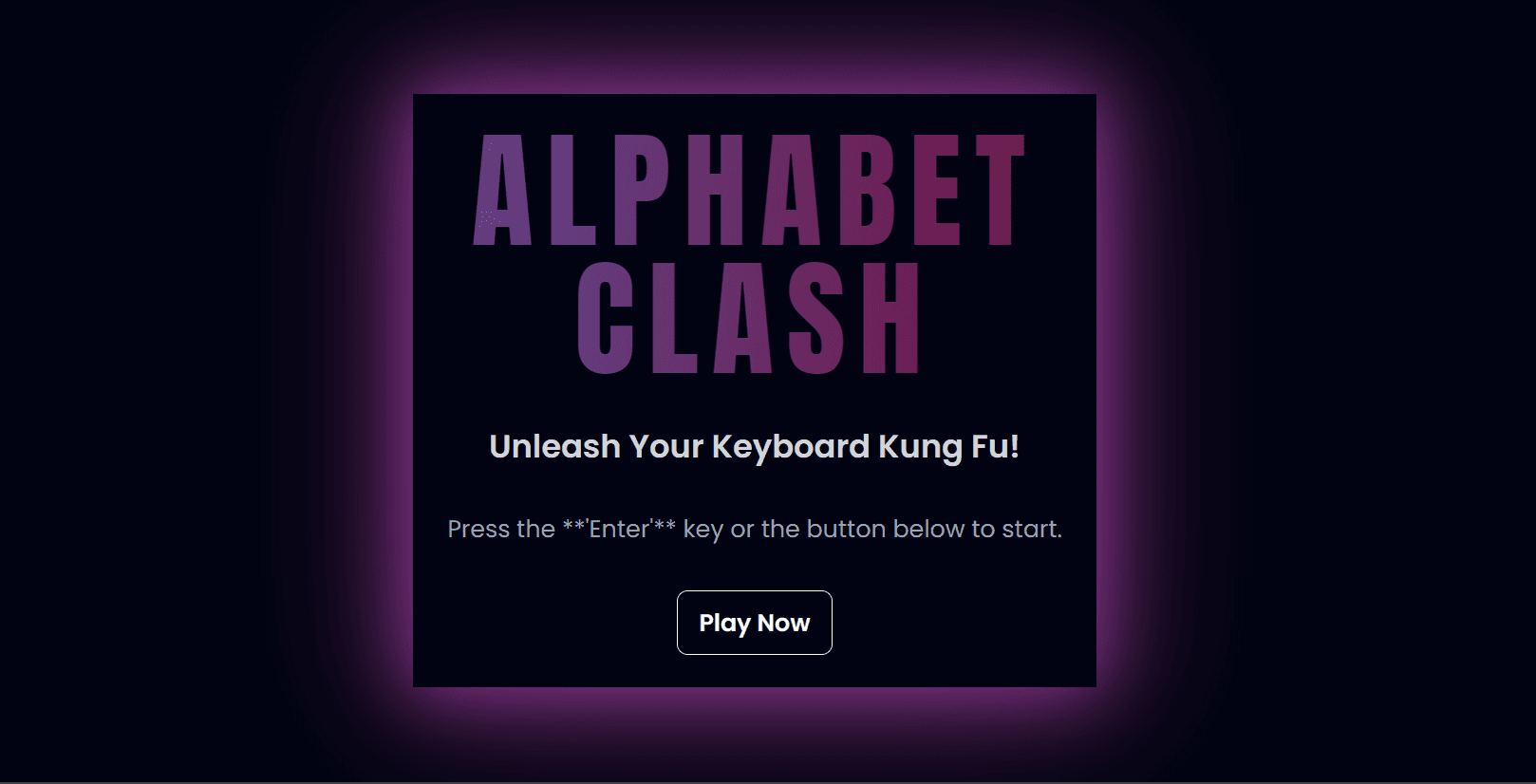
Guessing Game
A fun, fast-paced keyboard-based game where players must guess the correct letter displayed on the screen. Built using HTML, CSS, JavaScript, and React, the game increases points for correct guesses and deducts for mistakes — creating an engaging challenge with real-time score updates and smooth animations. The interface features a modern, minimal design with fluid transitions that enhance the gameplay experience.

GreenLine Bus Ticket Service
A complete ticket booking interface for GreenLine Bus passengers, enabling users to search, select, and reserve seats effortlessly. Developed using HTML, CSS, TailwindCSS, JavaScript, and React, this project focuses on real-world usability with clean UX design, responsive layout, and interactive seat selection. It simulates an end-to-end booking flow from route selection to payment confirmation, ideal for demonstrating front-end architecture and state management skills.
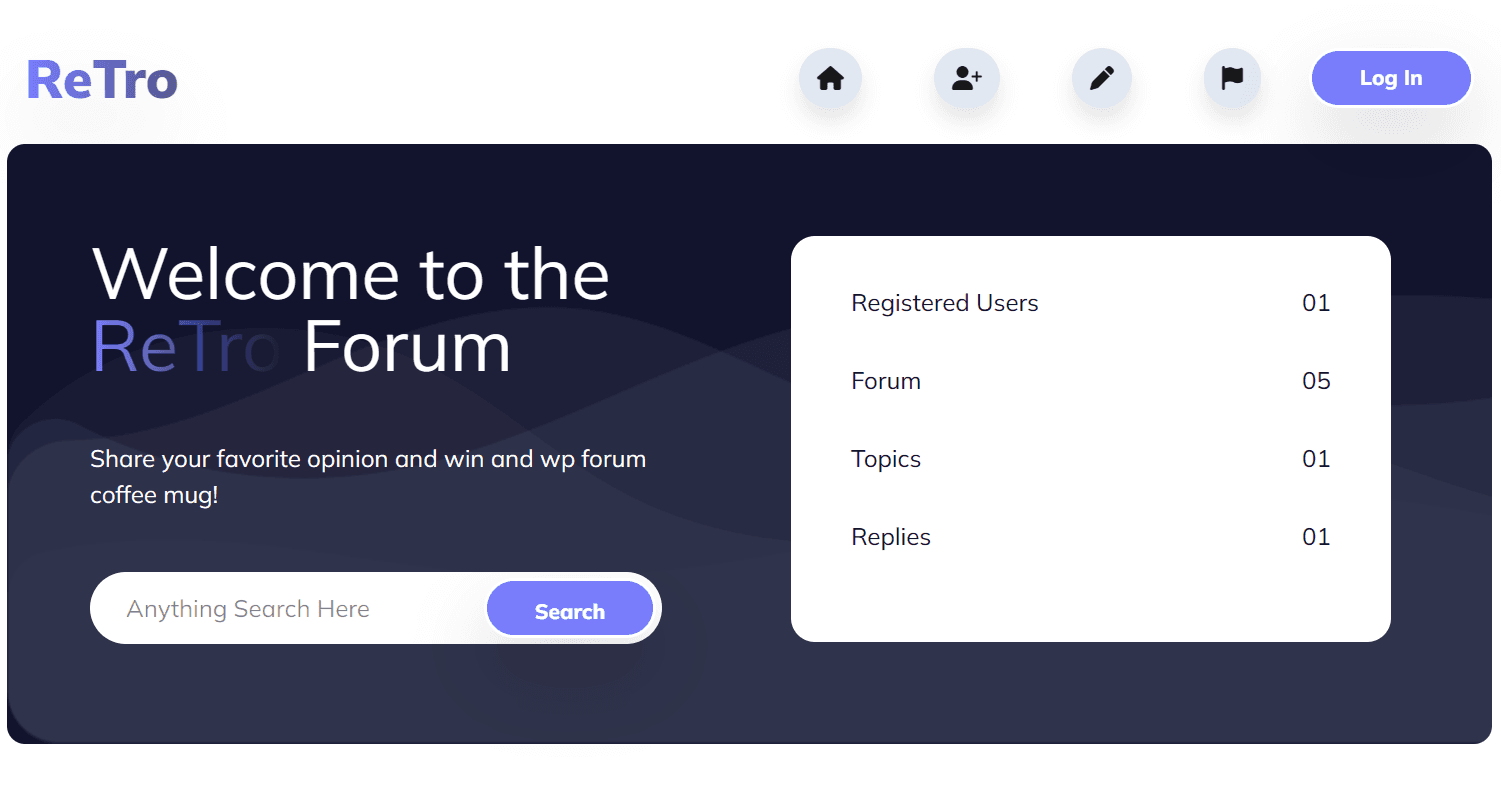
Retro Forum
Retro Forum is a visually nostalgic, interactive discussion platform inspired by the aesthetics of early internet communities. Built entirely with HTML, CSS, TailwindCSS, JavaScript, and React, it provides users with a clean, responsive, and modernized retro experience. The UI is optimized for both desktop and mobile devices, and includes interactive animations and smooth transitions that blend the old-school vibe with modern web performance.

Tour Management System
A full-stack, enterprise-level travel booking and management application designed to handle everything from destination listings to secure bookings and customer data management. The backend is powered by Node.js, Express, MongoDB, Mongoose, and TypeScript, providing scalable APIs and robust data handling. The frontend, built with React, TypeScript, TailwindCSS, Shadcn/UI, and CSS, delivers a modern and intuitive interface for users. This project demonstrates complete CRUD functionality, authentication, and real-time data rendering.